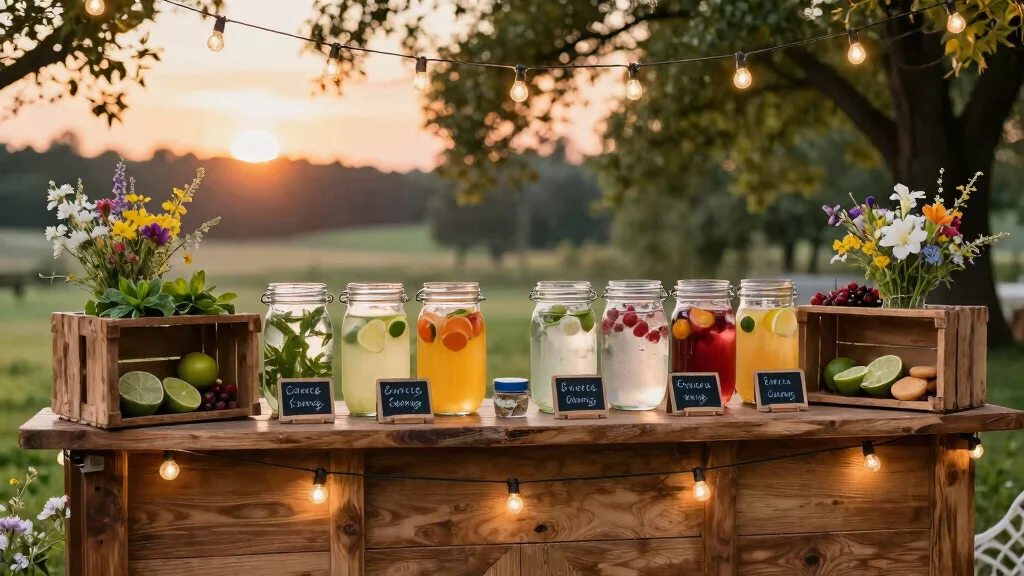

At a recent wedding in Austin, the couple’s self-serve bar ran dry before the first dance because they underestimated how much guests would drink when pouring their own drinks. You’re planning your wedding bar, and you you don’t want that stress.
These ten rules will keep your guests happy, your budget intact, and your night running smoothly. Let’s get into what actually works.
Start Your Self-Serve Bar With a Four-Zone Layout
Wondering how to keep guests from bottling up at your bar? You’ll solve this with a smart bar layout that spreads everyone out. Start by planning your four zones.
First, build your Wine station. You’ll want one red, one white, and one rosé for under 200 guests. Pick a universal wine glass, or grab two stems if you’re feeling fancy. Plan one bottle per three guests across four hours.
Pro tip: boxed wine with a tap stays fresh 30 days, so nothing goes to waste.
Next, add your Beer and Seltzer zone. Use a galvanized tub or copper bucket packed with ice. Stock one light, one heavier, one local craft, and one hard seltzer.
Then, create a Signature Cocktail zone with one batched drink. Finally, add a Non-alcoholic corner.
Space zones a few steps apart on the same surface or across two adjacent tables. You’ll guide smooth guest flow and eliminate those annoying traffic jams.
Recommended Products

【Lemonade & Tea Bar Table Sign】This 8x10 acrylic lemonade & tea bar sign is a stylish way to label your non-alcoholic drink station at weddings, bridal showers, baby showers, graduation parties, and casual gatherings. Perfect for guiding guests to a self-serve lemonade and iced tea bar.

【Classic Salty & Sweet Snack Bar Sign】Add a charming touch to your wedding or bridal shower food station with this 5"x7" freestanding acrylic sign. Featuring “Salty & Sweet” lettering, it clearly labels your snack bar while adding a clean, stylish accent to your dessert or reception table.
Check Your Venue’s Self-Serve Bar Policies First
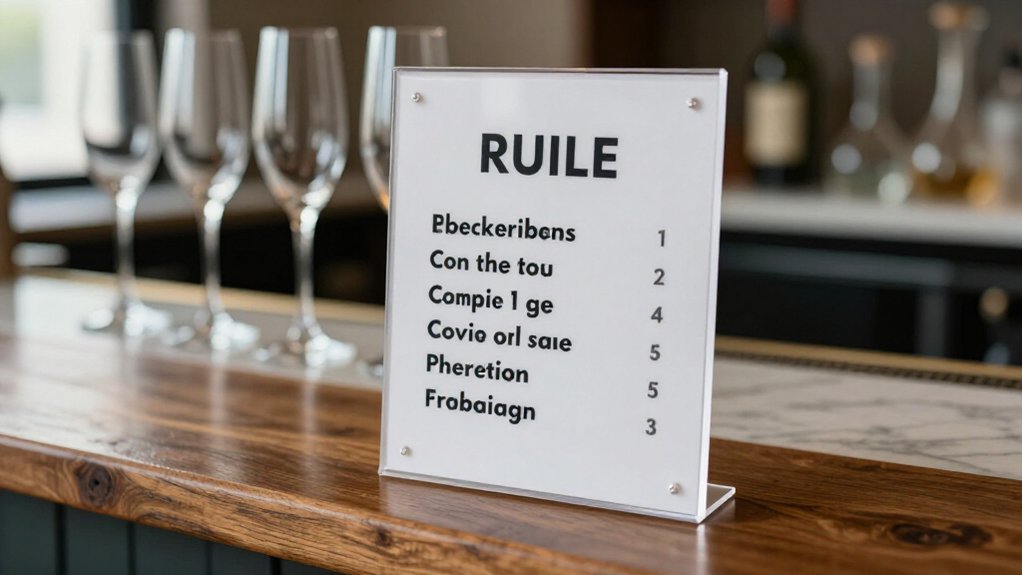
Before you pick out your signature cocktail or rent that trendy tap wall, you’ll want to check your venue’s self-serve bar policies first. Ask your coordinator early about license and liability basics, like whether you need a certified bartender on site or if your own insurance covers self-serve setups.
You’ll also want a clear venue restrictions overview, since some places ban hard liquor stations, limit hours, or require you to use their approved equipment.
Recommended Products

STYLISH BAR DECOR: Upgrade the design of your home bar with this automatic drink dispenser that is one of the few bar accessories that delivers on design and practicality. This gas pump liquor dispenser is vintage 50s Chrome design with a push down pump dispenser that delivers your drink smoothly and is one of the great man cave accessories.

Non-toxic Material - Crafted from food-grade material with a sturdy advanced aluminum alloy frame. It is sturdy and solid once mounted to the wall.

STYLISH BAR DECOR: Upgrade the design of your home bar with this automatic drink dispenser that is one of the few bar accessories that delivers on design and practicality. This gas pump liquor dispenser is vintage 50s Red design with a push down pump dispenser that delivers your drink smoothly and is one of the great man cave accessories.
License and Liability Basics
How do you know if your dream of a laid-back, pour-your-own drink station will actually fly at your venue? You’ll need to look into license and liability basics before you buy a single bottle.
Hosts can face legal liability for alcohol-related incidents in many states. That means you could be responsible if a guest over-serves themselves and gets hurt. Licensed bartenders or vendors usually transfer that liability away from you, which is why many venues require them.
Some venues ban self-serve liquor completely. Others allow it only with specific permits, insurance forms, or staff on standby.
Always get your venue’s self-serve policies in writing. Confirm allowed beverages, service hours, and any extra fees. This step protects you, your guests, and your wallet.
Venue Restrictions Overview
Now that you’ve got a handle on license and liability basics, it’s time to talk specifics with your venue.
You’ll want to look into venue restrictions early. Many locations require licensed, insured bartenders and may need proof 30 days before your big day, especially for self-serve setups.
Some places ban self-serve liquor completely, citing safety and liability. They’d rather have a pro behind the bar. Others limit self-serve to beer, wine, and mocktails, keeping hard liquor staff-only.
Check your contract carefully. It may cap the venue’s liability for over-service and set firm end times for drinking.
Rules, fees, and permits vary by location. Confirm everything before you plan your self-serve bar.
Add Licensed Oversight Without Full Bartender Service
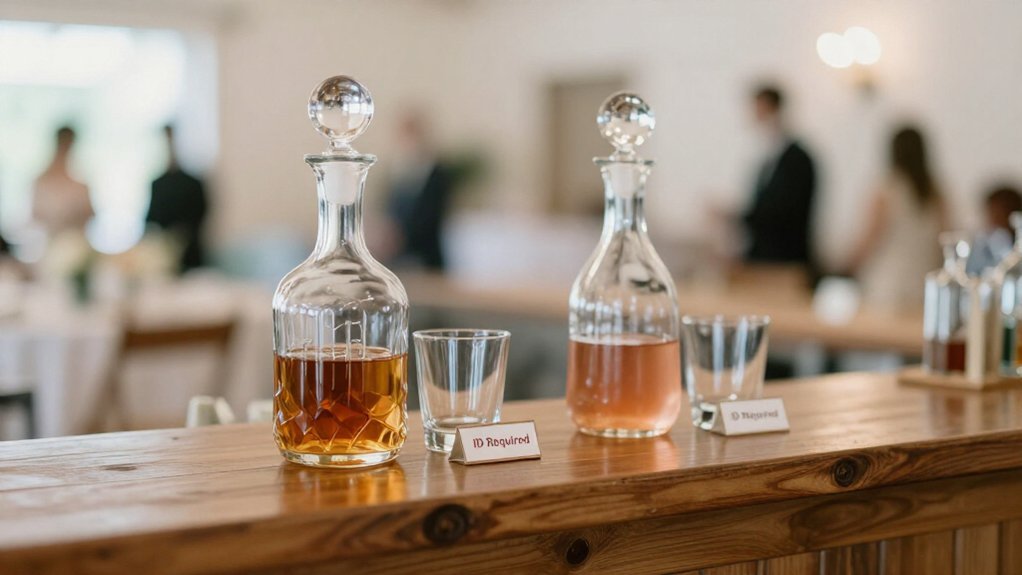
Why split the difference between a full open bar and going it alone? You can add licensed oversight to your self-serve bar without hiring a full bartending team. This hybrid approach keeps you compliant and cuts costs.
Here’s how it works. You hire a certified professional to monitor the setup, check IDs, and enforce drink limits while guests pour their own beer, wine, or mocktails. You’re not paying for full service, but you’re still protected.
Before you book, confirm your venue’s rules. Some require specific certifications, like California’s Responsible Beverage Service training. Others need extra insurance or permits for this arrangement.
Ask your venue: What’s allowed? What’s required? Then find a licensed pro who’s comfortable with hybrid setups. You’ll get peace of mind without the full bar bill.
Recommended Products

HANDLES FOR EASY TRANSPORT - Our oval galvanized steel tub features sturdy handles, making it a breeze to move around. This large beverage tub is a must-have for backyard barbecues, perfect for serving a large selection of chilled beverages.

PREMIUM GALVANIZED METAL STRUCTURE: Our galvanized tub is crafted from high-quality rustproof & leak-proof galvanized metal, featuring a smooth coated finish and sleek curves. It resists deformation, fading and cracking, ensuring long-lasting durability for indoor and outdoor use as sturdy ice buckets for parties.
Design Your Wine Station to Handle High Volume
You want your wine station to keep flowing smoothly, even when the dance floor’s empty and everyone’s lined up thirsty. Start by narrowing your selection to one crowd-pleasing red, one crisp white, and one refreshing rosé, which keeps things simple and moving fast for receptions under 200 guests.
Next, lock down your glassware plan, choosing just one universal stem or splitting into two basic types, so you don’t waste money on rentals or run short when the party hits full swing.
Recommended Products

DOUBLE-LIPPED DESIGN FOR DRIP-FREE POURING – The innovative double-lip design catches drips, channeling excess wine back into the bottle for a mess-free pour.

【Universal Silicone Pour Spouts】Widely Fits Most Classic Liquor Bottles for Snow cone syrup pour spout, juice, dressing and alcohol. Ideal for home use, cafés, bars, and restaurants. Upgrade your coffee bar accessory setup with this essential.

The pour spout made of 18/8 stainless steel, food grade material and 100% non-rust. Many similar liquor pourers use plated copper instead, which many countries consider hazardous to public health and have banned use as a food safety precaution.
Wine Selection Strategy
How do you keep a crowd happy without a bartender running ragged? You nail your wine station setup and wine quantity planning from the start.
Pick Your Core Trio****
Stick to one red, one white, and one rosé for under 200 guests. Keep whites and rosés on ice, let reds breathe at room temperature. Simple, right?
Crunch the Numbers
Aim for one bottle per three guests across four hours. That’s your golden rule for estimating without guesswork.
Go for the Box
Boxed wine works beautifully here. The built-in tap means no fumbling with corks, and it stays fresh about 30 days once opened. Your guests won’t know the difference, and you’ll save money and hassle.
Position your wine station front and center, where guests can grab and go without bottlenecks.
Glassware Planning Essentials
Glassware choices can make or break your wine station’s flow. For your self-serve setup, you’ll want to keep things simple and smart.
Pick your glassware strategy:
- One universal stem: These work for red, white, or rosé. You’ll cut your rental order in half, and guests won’t pause to guess which glass to grab.
- Two stems: One for reds, one for whites and rosés. This looks nicer but costs more.
Store your whites and rosés on ice, and keep reds at room temperature. Guests will serve themselves faster when everything feels straightforward.
If you’re using boxed wine, don’t hide it. Add a tap and let guests pour easily. Boxed wine stays fresh for 30 days, so you’re covered if the party runs long.
Plan one bottle per three guests for a four-hour reception. You’ll keep lines moving and glasses full.
Keep Beer and Seltzers Cold in a Simple Ice Tub
Most guests expect a cold drink in hand soon after they arrive, and nothing says “relax and celebrate” like a simple, ice-filled tub of beer and seltzers. You don’t need fancy refrigeration, just a galvanized tub or large copper bucket packed with fully submerged ice.
Stock your ice tub with variety: one light beer, one heavier option, a local craft, and a hard seltzer. Arrange bottles for easy grabbing. Tie a bottle opener to the tub with twine, and place a small trash can nearby for caps.
Plan roughly one bottle per guest per hour for beer-drinkers, with beer making up about 30% of your total drinks. This helps you estimate ice and beer quantities.
Make your ice tub the visual centerpiece. Skip the fridge, and let this casual, practical display set a welcoming tone.
Recommended Products
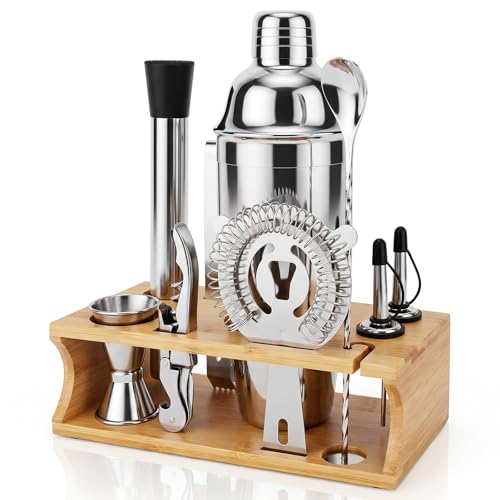
10-Piece Essential Cocktail Shaker Set - This bartender kit includes a 24oz martini shaker, muddler for cocktails, jigger, mixing spoon, cocktail strainer, ice tongs, wine opener, 2PCS liquor pour spout and an exquisite bamboo stand. This bartender set contains all the tools you need for crafting cocktails, eliminating the need to purchase any additional accessories. It is the perfect bar tools for making the perfect Old Fashioned, Margarita, Mojito and Espresso Martini at home, kitchen or bar.

[Multifunctional Cart] Our bar cart has 4pcs 360° rotating casters, 2 of which are equipped with brakes to prevent sliding when stopped. Except for being a bar servicing cart, it also can be used as kitchen cart, coffee cart, drink cart, microwave stand cart, make an accent statement in your entryway, kitchen, living room or office room with a decorative.
Limit Your Self-Serve Bar to Beer, Wine, and NA Options
Why complicate your celebration with a full open bar? You can keep things simple, safe, and stress-free by limiting your self-serve options to beer, wine, and non-alcoholic drinks. This approach cuts down on risk and keeps your liquor policy clear from the start.
Most venues discourage or ban self-serve liquor because of liability issues and overpour problems. Beer and wine are easier to control, and your guests will still have plenty to enjoy.
Set up a four-zone layout: wine, beer and seltzer, one batched signature drink, and a dedicated NA corner with mocktails and sparkling water. Post clear signs, assign helpers to restock, and plan your quantities wisely.
Aim for one wine bottle per three guests and roughly one beer per guest per hour.
Recommended Products

【Brighten Your Italian Soda Bar】Add a cheerful, stylish touch to your drink station with this 8"x10" Italian Soda Bar sign. The clean, playful design pairs perfectly with Italian cream soda bars, Dirty Soda stations, and mocktail setups for any celebration.

Perfect Brunch Table Display: This Bagel Bar wooden sign is perfectly sized for tabletop display, making it a stylish addition to brunch tables, breakfast buffets, bagel stations, and party food setups. It adds a warm and inviting touch to your celebration decor.

【Shirley Temple Bar & Cherry Mocktail Table Sign】This 8x10 acrylic Shirley Temple bar sign is a stylish way to label your non-alcoholic drink station at baby showers, bridal showers, weddings, and parties. Perfect for guiding guests to a self-serve cherry mocktail bar with grenadine, soda, and fresh cherries.
Add One Batched Cocktail to Your Self-Serve Bar
How can you add something special to your self-serve bar without making things complicated? Batched cocktails offer the perfect solution. You prepare one signature drink in a glass dispenser, and guests help themselves.
Here’s how to make it work beautifully:
- Pick a sturdy recipe. Choose batched cocktails that hold up over time, like a citrus punch or sangria. Avoid drinks needing fresh muddling or immediate mixing.
- Set up smart stations. Place garnishes and ice separately so guests build their own drinks without clogging the line.
- Label everything clearly. Post a simple sign with the drink’s name and basic instructions for proper portioning.
- Keep variety nearby. Pair your batched cocktail with beer, wine, and non-alcoholic options so everyone finds something they love.
This approach simplifies your self-serve bar while adding memorable flair.
Recommended Products

🎁ULTIMATE GIFT - Our whiskey decanter and glass set comes with our impressive thick branded beautiful gift box. All glassware is well protected with foam. Perfect for all occasions - birthdays, christmas, anniversary, fathers day, dad gift, graduation, wedding. Ultimate whiskey gift set
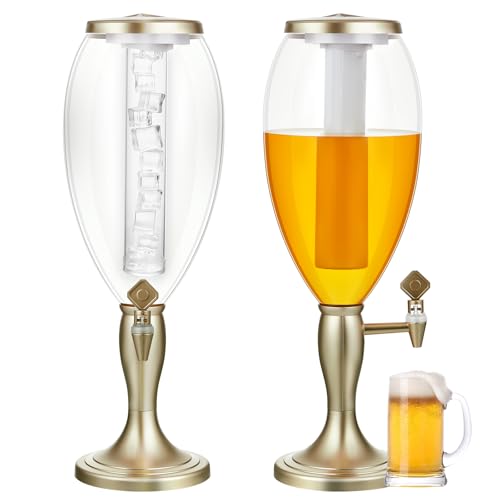
Keep Your Drinks Cold: with the clear removable ice tube, this beverage tower dispenser will keep your drinks cold for hours, you can use standard ice cubes for quick refills, or freeze the entire tube for longer lasting cooling; Warm note: tighten the rubber ring of spigot before using it
Calculate Self-Serve Bar Quantities by Guest Count
You’ll want to nail down your wine and beer numbers before you buy a single bottle. For wine, plan on one bottle for every three guests during a four-hour reception. For beer, budget roughly one bottle per guest per hour if you’re serving beer-drinkers, or about 30% of your total drinks for a mixed crowd. These simple ratios keep your self-serve stations stocked without breaking your budget.
Wine Per Guest
Where exactly should you start when figuring out wine for your guests? You begin with the golden rule of wine per guest: one bottle serves three people across four hours at your self-serve station. This baseline keeps your math simple and your bar stocked.
Here’s your quick setup checklist:
- If you have under 200 guests, stick with three wines, one red, one white, and one rosé
- Choose one universal glass or two separate stems; universal cuts your rental bill in half
- Consider boxed wine with a tap; it stays fresh 30 days and pours easily
- Stock wine first, it’s your workhorse, before planning beer or other drinks
You’re building a station guests can navigate confidently. Plan smart, and you’ll toast without worry.
Beer Volume Guide
Anticipation shapes every good party plan, and your beer station is where guests often head first. You’ll want to stock roughly one bottle per beer-drinker per hour, with beer claiming about 30% of your total drinks in a mixed crowd. That’s smart self-serve bar management.
Offer variety without overthinking: one light beer, one heavier option, one local craft, and a hard seltzer covers most tastes. Display them in a galvanized tub or copper bucket packed with ice, not hidden fridges. You’ll need two glasses per guest and a nearby trash can for caps.
Ice matters more than you’d guess. Plan two pounds per guest for a four-hour party, with backup ice in a cooler for refills every 90 minutes. Your future self will thank you.
Assign a Monitor to Check IDs and Watch Consumption
How can you keep your self-serve bar both fun and responsible? You’ll want to assign a monitor to check IDs and watch consumption throughout your celebration.
Here’s what your monitor should handle:
- Verify IDs at entry to stop underage drinking before it starts
- Watch for guests overpouring or showing signs they’ve had too much
- Stand where they can see all stations without blocking traffic
- Coordinate with bartenders or security if someone needs cutting off
Your monitor works alongside any licensed staff you’ve hired. Since self-serve liquor carries extra risk, this role keeps everyone safer. Make sure they’re trained on local laws and your venue’s rules. Position them discreetly so guests don’t feel policed, but close enough to step in quickly. This simple step protects your loved ones and your peace of mind.
Recommended Products

Safe Materials: 100% rust-proof, made from 18/8 stainless steel. This set includes 36 stainless steel pour spouts for liquor bottles with rubber dust caps, ensuring durability and smooth pouring. Additionally, each set comes with a cleaning brush.

SATISFACTION GUARANTEE: we would provide a good service if our bottle spout doesn't meet your needs. If you think more of the product quality, then our item is perfect for you.
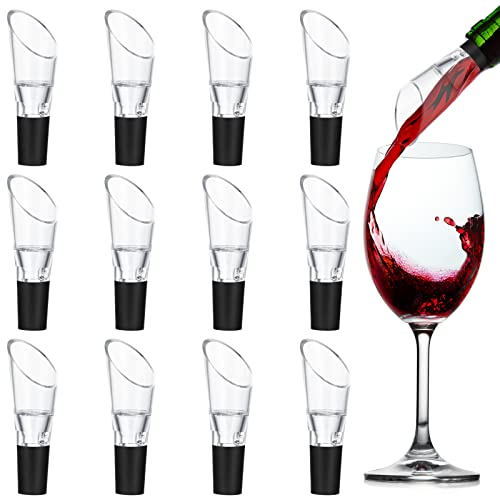
Plug and Pour: the wine aerator pourer is ideal for aerating your wine, simply plug and pour, then you can taste the negligible difference in your wine instantly, bringing your wine tasting parties, wine club activities much fun and harvest
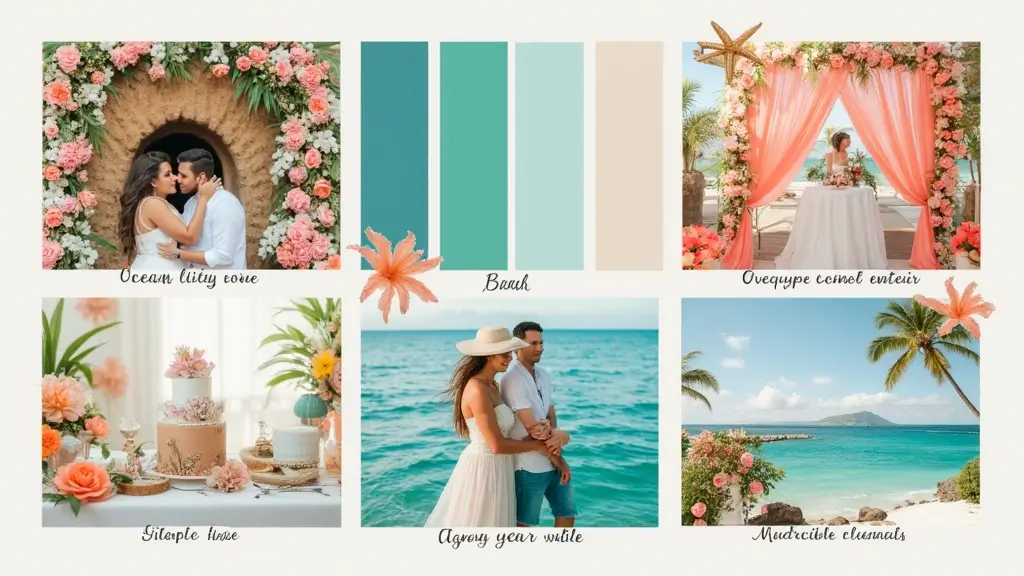
Style Your Self-Serve Bar as Wedding Decor
Why settle for a plain drink station when your self-serve bar can double as stunning wedding decor?
Start with a four-zone layout on a wood farmhouse table: wine, beer and seltzer, batched signature cocktails, and non-alcoholic options. This reads as intentional design, not an afterthought.
Build a cohesive backdrop with linen, greenery, a trellis, mirror, or neon sign. Use clear, legible signs so guests know exactly what’s what.
Glass dispensers for cocktails and galvanized tubs for iced drinks create focal points that draw the eye. Stack glassware in tidy rows, label your zones, and tuck discreet bins nearby for empties.
Add personal touches without spending extra: display a Rosé from your Provence trip or a handwritten card about your favorite wine. These small details spark conversation and feel like keepsakes.
When your self-serve bar looks planned and polished, it becomes part of your wedding decor guests will actually remember.
Recommended Products

[Multifunctional Cart] Our bar cart has 4pcs 360° rotating casters, 2 of which are equipped with brakes to prevent sliding when stopped. Except for being a bar servicing cart, it also can be used as kitchen cart, coffee cart, drink cart, microwave stand cart, make an accent statement in your entryway, kitchen, living room or office room with a decorative.

[Multifunctional Cart] Our bar cart has 4pcs 360° rotating casters, 2 of which are equipped with brakes to prevent sliding when stopped. Except for being a bar servicing cart, it also can be used as kitchen cart, coffee cart, drink cart, microwave stand cart, make an accent statement in your entryway, kitchen, living room or office room with a decorative.

[Multifunctional Cart] Our bar cart has 4pcs 360° rotating casters, 2 of which are equipped with brakes to prevent sliding when stopped. Except for being a bar servicing cart, it also can be used as kitchen cart, coffee cart, drink cart, microwave stand cart, make an accent statement in your entryway, kitchen, living room or office room with a decorative.