
Remember the feast that turned water to wine? You’re planning your own celebration now, and food stations are the modern magic your guests will talk about for years. But here’s the catch: 2027 prices aren’t your parents’ buffet bills. You’ll face $30 to $150 per person depending on style, plus hidden fees that bite if you skip the fine print.
Want to feed 150 guests without draining your honeymoon fund? Stick around; there’s a smarter way to stack your plates.
What Budget Range Should You Expect for 2027 Wedding Food Stations?
How much should you actually plan to spend on food stations for your 2027 wedding? You’ll want to set aside 20,30% of your total wedding budget for catering. That means if you’re planning a $40,000 wedding, you’re looking at roughly $10,000,$12,000 for food and drinks.
Your per person cost depends heavily on service style. Plated dinners run $90,$150+ per guest, while buffets drop to $60,$110. Food trucks offer the biggest savings at $30,$60 per person.
For a 100-guest celebration, expect total catering between $7,000 and $15,000. Don’t forget extras: rentals, staffing, and service charges add 18,25% on top. Full-service setups can push your total to about 30% above base prices.
Start with your guest count, pick your service style, then build your budget from there.
Recommended Products

SOLVE YOUR SERVING PROBLEMS WITH OUR SET OF 5 PLASTIC BOWLS: Tired of flimsy disposable serving bowls that break and disappoint? Say goodbye to the hassle with our set of 5 sturdy, premium plastic serving bowls. Our party serving bowls offer a great solution for hosts needing reliable, stylish serving ware that won’t disappoint them. Impress your guests with high-quality serving party bowls that look great and perform even better.

SOLVE YOUR SERVING PROBLEMS WITH OUR SET OF 5 PLASTIC BOWLS: Tired of flimsy disposable serving bowls that break and disappoint? Say goodbye to the hassle with our set of 5 sturdy, premium plastic serving bowls. Our party serving bowls offer a great solution for hosts needing reliable, stylish serving ware that won’t disappoint them. Impress your guests with high-quality serving party bowls that look great and perform even better.
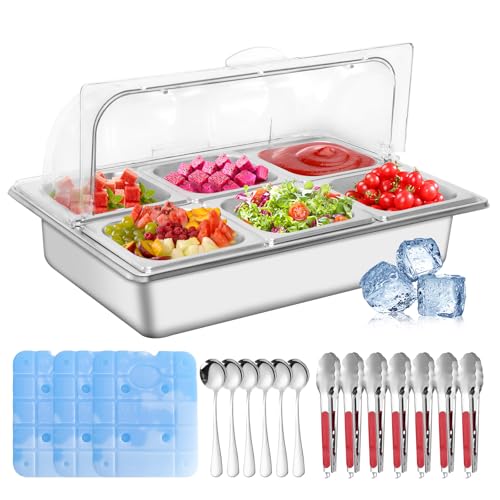
Package Include: 6 small plates, 1 large bottom basin, and a transparent roll top cover. The overall size of the portable salad bar is 21 x 13 x 13 inches/53 x 33 x 33 cm, each pan measures about 7 x 6.4 x 4 inches/ 17 x 16 x 10 cm, each pan has a capacity of 1.5L. Provide spacious display space for food (salads, sushi, fruits, vegetables, etc.)
Per-Person Costs by Food Station Style?
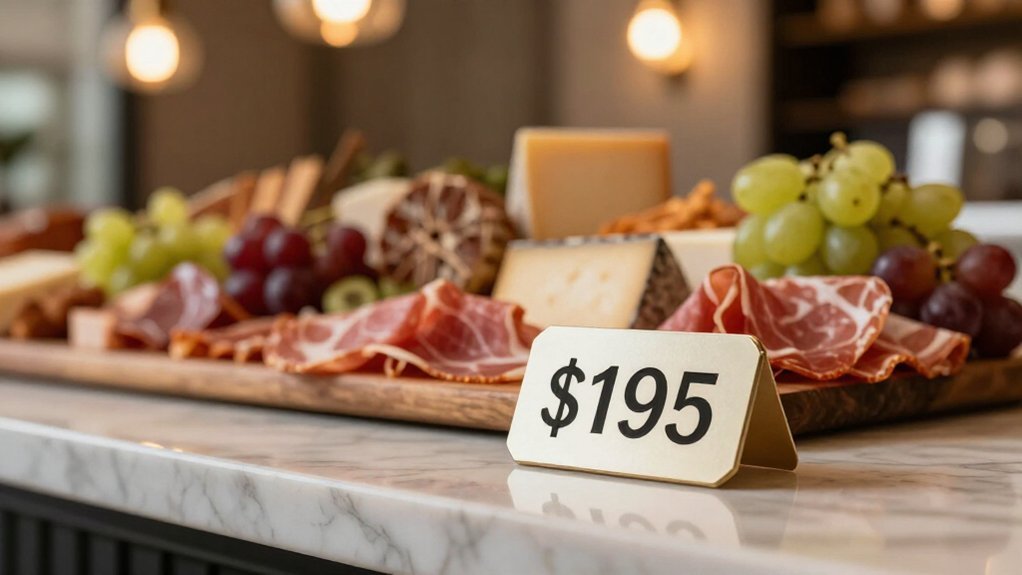
You’ll notice your per-person costs swing widely depending on which food station style you pick. Plated service sits at the top, typically running $90 to $150 or more per guest, while buffet stations offer a middle ground at $60 to $110 per person.
If you’re leaning toward something more casual, cocktail reception rates and food truck setups can drop your costs to $30 to $60 per person, though you’ll want to weigh those savings against the vibe you’re hoping to create.
Recommended Products

The gold plastic plate set is safe for you and your guests! Made of durable high quality 100% food-grade plastic that they are BPA free, sturdy and healthy for everyday use

EXQUISITE DESIGN: White disposable plates designed two gold rims in the edge,gold plates add the luster of metallic for the plates look like really china

Serve with Ample Quantity: our set of 60 melamine appetizer plates, there is an adequate serving option for various delightful appetizers, enticing snacks, and gourmet meals
Plated Service Pricing
For 100 people, you’re looking at roughly $9,500 to $14,000 with an open bar. Menu complexity and drink choices push that number around.
You’ll want your quote broken down clearly: food, bar, and staffing as separate line items. This shows you exactly where your money goes. Plated service beats buffet and food truck options on style, but you’ll pay for that extra attention. It is worth it for many couples seeking a formal feel.
Buffet Station Costs
Most couples find buffet service hits a sweet spot between cost and flexibility. You’ll typically see buffet costs ranging from $60 to $110 per person, which makes per-person pricing a key factor in your overall budget.
For a wedding with 100 guests, you’re looking at roughly $7,000 to $14,000 total. That’s a wide range, so what’s driving the difference? Menu complexity and beverage choices play big roles.
Here’s some good news: buffets need fewer servers, about one for every 20 to 25 guests. This keeps your labor costs down compared to plated service.
Want to improve the experience? Premium ingredients or carving stations can push your per-person pricing toward that $110 mark. Remember, catering usually eats up 20 to 30 percent of your total wedding budget, though this varies by region.
Cocktail Reception Rates
How much should you expect to spend on a cocktail reception with food stations?
You’ll typically pay $60 to $120 per person for a cocktail reception with stations, depending on how many stations you choose and how fancy your menu gets. This covers the cocktail hour and beyond, letting guests mingle and graze at their leisure.
Food station costs sit between plated dinners ($90 to $150+) and food trucks ($30 to $60), giving you flexibility without breaking the bank. For 100 guests, you’re looking at roughly $7,000 to $14,000 before drinks.
Which Food Station Style Is the Most Affordable?
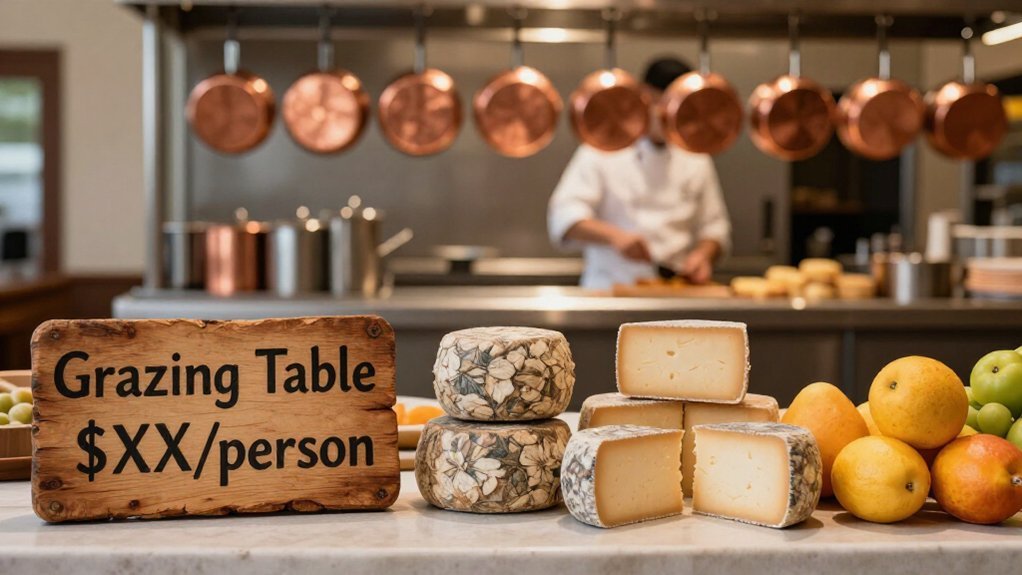
You’ll want to look closely at rental costs and staffing fees when you’re picking your most affordable food station style. Food trucks and self-serve stations cut your staffing needs way down, since you won’t need one server for every 8 to 10 guests like you would with plated dinners.
Ask your caterer where you can trim, because those two areas, rentals and staff, are often where you’ll find your biggest savings.
Recommended Products

Ideal Size for Visibility: The 8x10 inch dimensions provide clear visibility and a substantial presence on your table without overwhelming the display.

ELEGANT GARNISH FOR ANY DRINK OR DISH: Add a touch of sophistication with CATIFLIN cocktail picks featuring shiny pink plastic beads and natural bamboo sticks. These decorative toothpicks instantly elevate your cocktails, appetizers, desserts, and charcuterie boards—perfect for weddings, parties, or entertaining at home. A stylish alternative to plain plastic or wood sticks.

Condiment Containers with Lids - Whether you're looking for bar accessories or a taco bar serving set for a party, there's a Cocktailor condiment organizer for you. The extra-spacious 6-tray garnish station measures 19" x 5.5" x 3.5" and holds over 12 cups of condiments and garnishes
Rental Costs
When you’re deciding which food station style fits your budget best, it’s smart to look past the sticker price and check what’s actually included.
Rental-only setups often look cheaper at first glance. But you’ll likely pay extra for tents ($2,000 or more), portable restrooms ($1,500+), and tables, chairs, and linens ($1,500+). Those rental costs add up fast.
All-inclusive venues bundle more together. You get better price certainty, and you won’t need outside rentals or decorators.
Here’s a quick comparison:
- Buffet stations: $60–$110 per person; lower staffing requirements
- Plated dinners: $90–$150+ per person; need 1 server per 8–10 guests
For budgeting, aim to spend 25–30% of your total budget on catering. Weigh rental-only costs against bundled options. Sometimes paying more upfront saves you money overall.
Staffing Fees
Once you’ve sorted out your rental costs, it’s time to look at who’s actually serving your guests. Staffing makes a huge difference in your final bill.
Plated service requires about one server per 8–10 guests. That personal attention costs you: $90–$150+ per person. You’re paying for that white-glove treatment.
Buffet service cuts your staffing needs roughly in half, one server per 20–25 guests. Your service fee drops to $60–$110 per person. Guests serve themselves, and you save.
Food trucks? Even better. At $30–$60 per person, they need minimal staffing. Often just one or two people handle everything.
How Much Do Guest Count and Season Really Change the Price?
How much does your guest list really cost you? Your guest count shapes your entire catering bill. For 50 guests, you’ll spend $4,000 to $7,500. Double that to 100 guests, and you’re looking at $7,000 to $14,000. More people mean more plates, more staff, and more rentals. Even small per-person increases stack up fast.
Season matters too. Peak months (June through October) squeeze your budget as vendors charge premium rates. You’ll find real savings in winter, especially January and February, when caterers compete harder for your business.
Here’s a handy rule: catering plus bar usually eats 20 to 30% of your total wedding budget. So when you trim your guest list or pick an off-peak date, you’re freeing up serious cash for other priorities.
Recommended Products

KEEP YOUR FOOD WARM AND READY - Alpha living’s 4 pack chafing dish allows for users to maintain their foods heat, with top-quality stainless-steel frame and body.

200 Pack Wooden Spoons for Eating: Keep a generous supply of full-size wooden spoons ready for everyday meals, parties, weddings, catering, cafés, food trucks, and dessert stations; each spoon measures 6.3 inches for comfortable dining and serving

Heavy-Duty Build & Hygienically Shrink Wrapped: The box feels impossibly heavy for disposables. Each single-compartment plate can hold a large amount of food food without bending. Shrink-wrapped for guaranteed cleanliness—zero pre-wash required, saving time in fast-paced kitchens
What’s Driving Your Total Bill Beyond the Base Price?
Before you sign any catering contract, you’re going to want to look hard at the “plus-plus” reality: that tempting base price per person isn’t what you’ll actually pay. Service charges, taxes, alcohol, upgraded rentals, and staffing twists can quietly balloon your final bill by 30% or more.
Let’s break down exactly where those hidden fee categories hide, and how to calculate your real total before you’re surprised at checkout.
Recommended Products
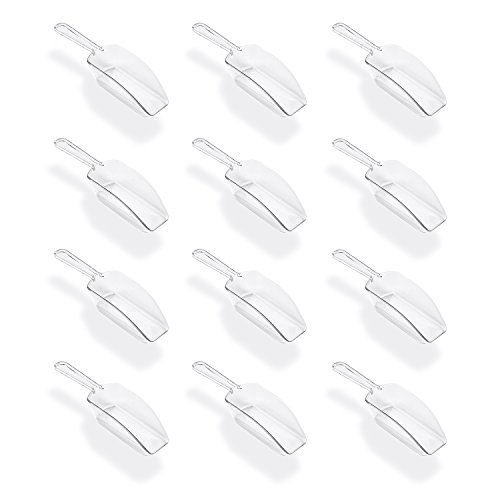
Bring to life all those candy buffet ideas for that upcoming fundraiser and create an exciting and attractive dessert presentation with these versatile kitchen scoops. Have them ready in your birthday party supplies and basic party decoration options to create a festive event for your guests.

8-Pack Value Set Includes 8 mini serving tongs, each 7 inches long, ideal for home kitchens, parties, buffets and everyday food service.
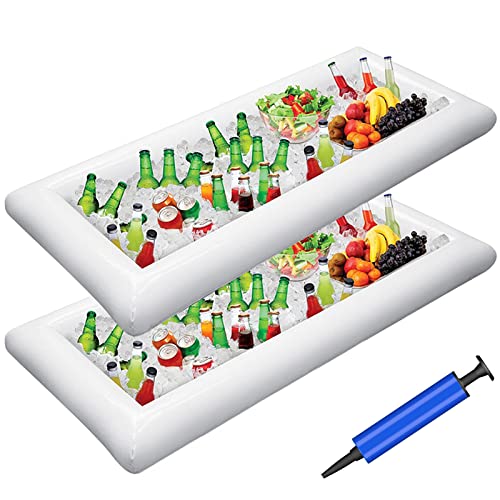
Extra Large & Flodable --- Outside dimensions is about 51.5”L x 24.5”W and 4.5”H, Internal size is 44.1''L x 17.1''W. Big enough to hold plenty of serving bowls salad drinks fruits beers etc. Easy to inflate deflate and fold. Easy to carry around and take it on your trip.
The Plus-Plus Reality
That tempting price tag on your catering quote? It’s probably not your final number. You’ll want to watch for the “plus-plus” reality that hits most couples.
Service charges typically add 18% to 25% right on top of your food and drink costs. Many venues follow what’s called the “22% rule,” where you’ll end up paying about 30% more than your quoted price once you add taxes and service charges. So if you’re looking at $100 per plate, you’re really spending closer to $130.
These hidden fees stack up fast, especially when you upgrade your bar or add extras. Administrative fees might even get taxed in your state, pushing your total higher. Always ask your caterer for an all-in estimate so you’re not caught off guard when the bill arrives.
Hidden Fee Categories
Where exactly does your catering money go once you move past the base price? You’ll encounter service charges that tack on 18% to 25% automatically, and these fees sometimes get taxed too. Watch out for hidden fees that vendors bury in the fine print.
The “22% Rule” means you’ll pay roughly 30% more than your quoted price. That $100 plate? It becomes $130 real fast.
Common culprits to spot include cake cutting fees, corkage for bringing your own wine, late-night snacks, overtime charges, delivery costs, and premium bar upgrades. Many quotes underestimate your total by 15–30% unless you demand itemized lists upfront.
Protect your budget: ask for every fee in writing before you sign. You’ll thank yourself later.
Final Cost Calculation
How do you turn a menu price into your real final bill? You’ll start with your base food cost, then watch it grow. Most caterers add an 18–25% service charge on top of food and drinks. Add tax, and you’re looking at roughly 30% more than that tempting menu price.
Here’s the math for 100 guests:
- Food trucks: $3,000–$6,000
- Buffets: $6,000–$11,000
- Plated dinners: $9,000–$15,000+
Then tack on $500–$1,500 for rentals and extra staff. Your service style drives everything. Plated meals need more servers, which raises your service charge.
Protect yourself. Demand itemized quotes that separate food cost, bar, staff, tax, and service charge. Ask about setup, breakdown, cake cutting, and corkage fees. Nothing ruins a budget like a surprise 30% bump at the final invoice.
How Can You Cut Costs Without Sacrificing the Experience?
Wedding planning can feel like a balancing act between your dream day and your actual budget. Smart cost-cutting doesn’t mean skimping on quality. You’ll find buffet service saves you $30–$40 per guest compared to plated meals, and guests often love the freedom to choose.
Skip the “rental-only” venue trap. Those cheap base rates balloon fast with tents, restrooms, tables, and linens adding $5,000+.
Book Fridays or Sundays outside June–October for 15%–20% savings. Trim your guest list by just 10 people, and you’ll notice real catering relief.
Lock in vendors 9–18 months early. Request itemized quotes, then negotiate your menu and bar. Offer beer, wine, and one signature cocktail instead of a full open bar. These moves keep your celebration memorable without draining your wallet.
Recommended Products

PREMIUM QUALITY: Treat your guests to an exceptional dining experience with our Silver Solid Color Plastic Dinner Plates. Made from high-quality, heavy-weight plastic, these 10-inch plates ensure durability and performance for your special event or everyday use.

Health & Quality: White gold rim plastic plates are safe for you and your guests! Disposable plates are made of heavy duty 100% food-grade plastic, BPA-free. They are all very durable and won't scratch or break easily

Health & Quality: Clear plastic plates are safe for you and your guests! Disposable plates are made of heavy duty 100% food-grade plastic, BPA-free. They are all very durable and won't scratch or break easily.
What 2027 Food Station Trends Are Worth the Investment?
You’ve trimmed the fat from your budget without losing the magic. Now you’re wondering where to put those savings in 2027, and the answer is clear: experiential venues with built-in wow factors.
Forget dropping cash on favors guests will leave behind. Instead, invest in food stations and spaces that create lasting memories. Here’s where your money works hardest:
- Late-night snack stations that keep the party alive when guests get hungry again
- Built-in experiential lighting that changes your space without extra decorators
- Instagram-ready backdrops at experiential venues for shareable moments
- Interactive food stations where guests customize their plates and connect
All-inclusive experiential venues give you price certainty and cut outside vendor headaches. You are not buying services, you are building an immersive experience guests will talk about for years.
Recommended Products

【Romantic Heart-Shaped Design】These 10mm pink heart straws and red plastic straws feature a charming heart shape, perfect for Valentine’s Day party supplies, wedding receptions, or adding a love-themed touch to cocktails and desserts

Pack for Convenience: this package includes 30 pcs Fall reusable coffee stirrers, making it convenient for party hosts; Whether you're throwing a small gathering or going all out for a charming Fall bash, you'll have enough swizzle sticks to use around, making your party planning much more comfortable and less stressful

【Classic Spritz Bar & Aperol Spritz Cocktail Table Sign】Upgrade your drink station with this sleek 8" x 10" white acrylic spritz bar sign. Perfect for an Aperol Spritz station or Italian-inspired cocktail setup, it fits neatly into its matching acrylic base for a clean, polished look at receptions, brunches, and celebrations.
Adding a Bar to Your Food Station: Worth the Cost?
Why add a bar to your food station when you’re already investing so much in the experience? Because guests remember great drinks paired with great food, and bar service can improve your entire celebration.
Adding alcohol typically increases your catering cost per guest by $15 to $40 or more, depending on your choices. Beer and wine keep things simpler, while a full open bar pushes costs higher. Together, catering and bar often eat up 20 to 30 percent of your wedding budget, and premium options can hit 35 percent.
Watch out for service charges too. These run 18 to 25 percent on top of your food and beverage total, so factor them in early.
Consider bundling everything into an all-inclusive package for better price certainty. Or try a limited bar with signature drinks. You’ll control costs without skimping on the fun.
Recommended Products

Bulk Pack for Events: each order includes 60 wedding food boats, ensuring you have enough for big gatherings; The pack is good for catering, school events, or food trucks needing reliable disposable plates

𝗦𝗻𝘂𝗴 𝗙𝗶𝘁 𝗳𝗼𝗿 𝗙𝗼𝗼𝗱 𝗣𝗿𝗲𝗽 – These food prep gloves are designed to fit snugly for better control while cooking, mixing & shaping ingredients. No baggy fingertips, just comfortable food grade gloves that let you focus on food prep, not the gloves you’re wearing

What You Can Receive: the package comes with 100 pieces of paper food trays, such a sufficient quantity can easily meet your various uses and replacement needs, these trays are suitable for holding cookies, cupcakes, hot dogs, hamburger, fried snacks and other foods
Single Station vs. Multiple Stations: Which Costs Less?
Once you’ve sorted out your bar situation, it’s time to think about how your food will actually reach your guests. You’ll need to decide between a single station or multiple stations, and your budget will thank you for choosing wisely.
Once you’ve sorted out your bar situation, it’s time to think about how your food will actually reach your guests.
A single station typically costs less per guest. You scale back on staff, equipment, and setup complexity. For 100 guests, you might spend $7,000–$11,000 with one focused option like a food truck or carved meat station.
Multiple stations raise your price quickly. Each extra station needs its own team, gear, and sometimes travel fees. That adds up.
Here’s what drives the difference:
- Staffing multiplies with each station you add
- Equipment rentals climb when you split your setup
- Service style, not just food quality, sets your per-person cost
- Travel and setup fees often apply per location
You’ll notice the jump when you compare quotes side by side.
Recommended Products

SOLVE YOUR SERVING PROBLEMS WITH OUR SET OF 5 PLASTIC BOWLS: Tired of flimsy disposable serving bowls that break and disappoint? Say goodbye to the hassle with our set of 5 sturdy, premium plastic serving bowls. Our party serving bowls offer a great solution for hosts needing reliable, stylish serving ware that won’t disappoint them. Impress your guests with high-quality serving party bowls that look great and perform even better.

Elegant Gold Finish: JXHAPY gold serving tongs add a polished, upscale look to buffet tables, dessert stations, tea parties, weddings, holidays, and everyday dining.

SOLVE YOUR SERVING PROBLEMS WITH OUR SET OF 5 PLASTIC BOWLS: Tired of flimsy disposable serving bowls that break and disappoint? Say goodbye to the hassle with our set of 5 sturdy, premium plastic serving bowls. Our party serving bowls offer a great solution for hosts needing reliable, stylish serving ware that won’t disappoint them. Impress your guests with high-quality serving party bowls that look great and perform even better.
Essential Questions Before You Sign?
How can you be sure you’re getting the deal you think you are? You’ll want to look at the details before you sign anything. Start by asking if the service charge is already rolled into your pricing quote, or if it’ll surprise you later.
Next, check whether the caterer limits bookings to one wedding per day. You don’t want rushed staff or late arrivals stealing your spotlight.
Ask about setup and breakdown fees too. These hidden costs can push your budget over the edge.
Then, confirm if there’s a minimum spend for food and beverage. Some venues require you hit a certain dollar amount, no matter your guest count.
Recommended Products

Heavy Duty & Sturdy Construction: Crafted from high-density, food-grade plastic, these disposable plates are designed to resist bending, snapping, or leaking even when loaded with heavy foods like steak or pasta. This robust durability ensures your guests can enjoy their meals comfortably while standing or sitting, without the worry of spills or mess common with flimsy paper alternatives.

Silver dinnerware set is safe for you and your guests! Disposable dinnerware set is made of 100% food-grade plastic, BPA free

100% FOOD GRADE:white plastic plates ensure use of food-grade raw materials, BPA-free, contain no toxic or harmful chemicals.