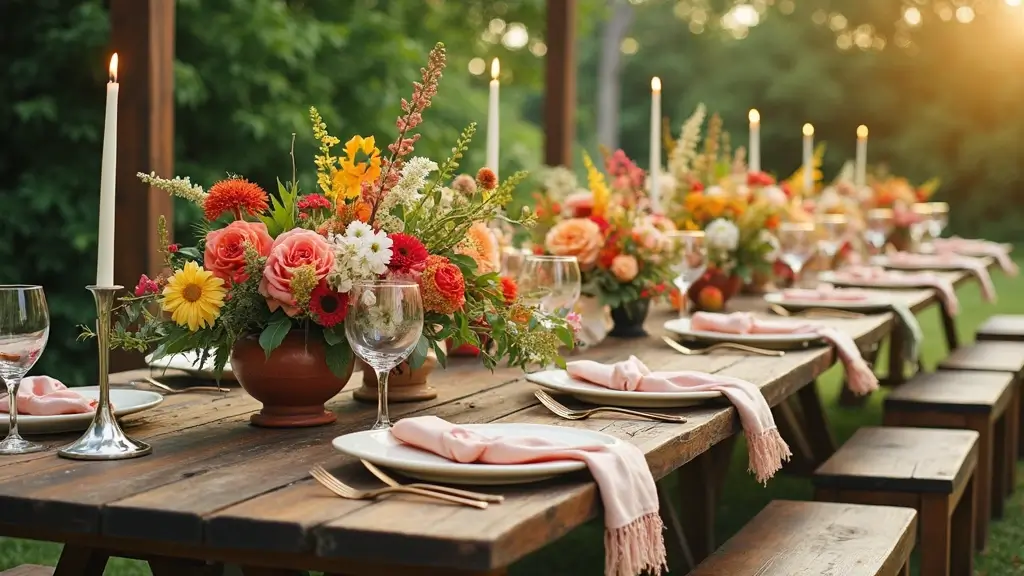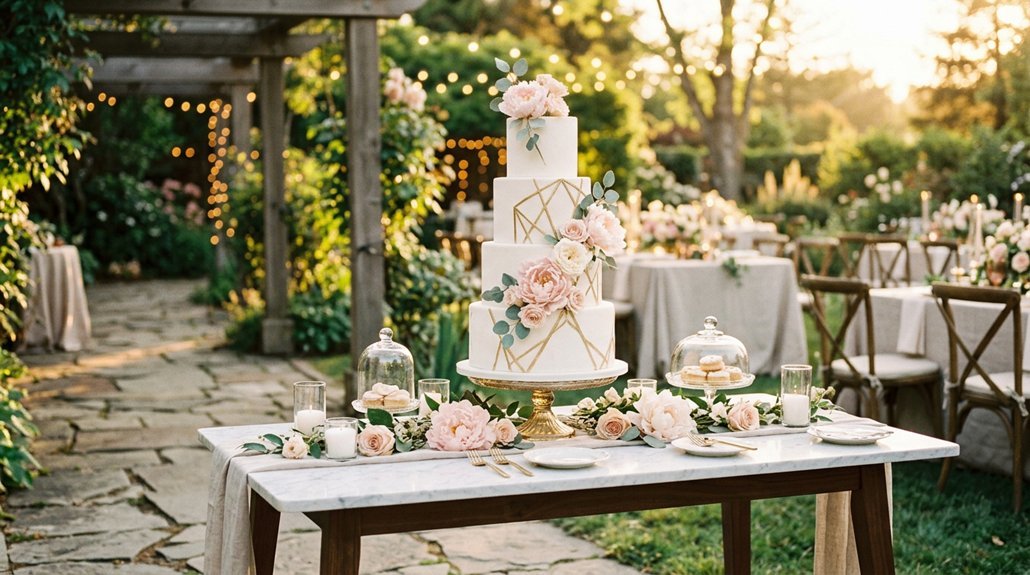

Did you know the average couple spends about 40% of their wedding budget on food and drink? That is a lot of money riding on one meal. You want guests talking about your reception for years, not lining up for pizza on the way home.
The good news? You do not need a famous chef or an endless buffet to make it happen. You just need a plan that fits your style, your crowd, and your wallet. Ready to figure out what actually belongs on your plate?
Choose Your Wedding Reception Food Service Style
So, how do you want your guests to eat, the most important meal of your big day? Your food service style sets the tone for the whole reception.
Plated dinners bring classic style. Servers bring each course to seated guests, perfect for formal affairs. You’ll need more staff, though.
Elegant and timeless, plated service transforms your reception into a truly sophisticated celebration—though your guest list will need deeper pockets for staffing.
Family-style creates warmth with big platters passed around tables. Guests share and connect, but portions run higher.
Buffet and self-serve stations let guests choose their favorites. These options cut staffing costs and keep lines moving. Add interactive stations, like a pasta bar, for extra fun.
Cocktail-style ditches seating charts entirely. Guests mingle with small bites in hand, ideal for casual, social celebrations.
Pick what matches your vibe, guest count, and budget.
Recommended Products

4-Pack gold serving tongs, including 4 serving tongs. 9inch

GREAT VALUE: Ample 6-Tray pack ensures convenience, perfect for gatherings or daily use. Never run out of food trays for party buffet, stay prepared to serve with ease. Enjoy flexibility and style with this convenient supply.
Set a Realistic Catering Budget First
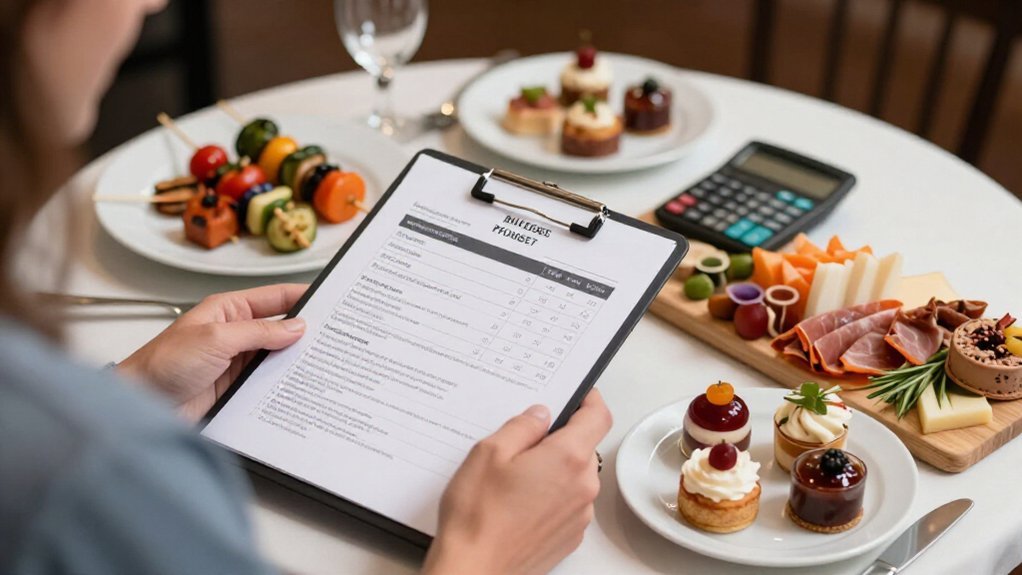
Now that you’ve figured out how you want guests to eat, it’s time to talk numbers. Start your budget planning by using The Knot Budget Advisor to compare local average catering costs in your area. This gives you a realistic baseline before you commit to any menu style.
You’ll want to keep these key steps in mind:
- Research typical costs: Expect around $4,000 for 50 guests, or roughly $80 per person, though your location affects this.
- Match your service format: Plated dinners cost more in labor than buffets or family-style meals, so align your budget with your chosen style.
- Check your venue contracts: Some venues require in-house or preferred vendors, which limits your flexibility and pricing.
Don’t forget to factor in premium options early. Steak, lobster, or caviar can quickly inflate your budget if you’re not careful.
Recommended Products

ALL-INCLUSIVE 11-PIECE serving utensils SET Elevate your dining experience with our comprehensive gold serving utensils collection. This 11-piece hostess set features perfectly sized 8.7" serving spoons, 8.7" slotted spoons, an elegant cake server, and essential serving tongs—providing everything you need to serve a flawless feast from appetizers to dessert!
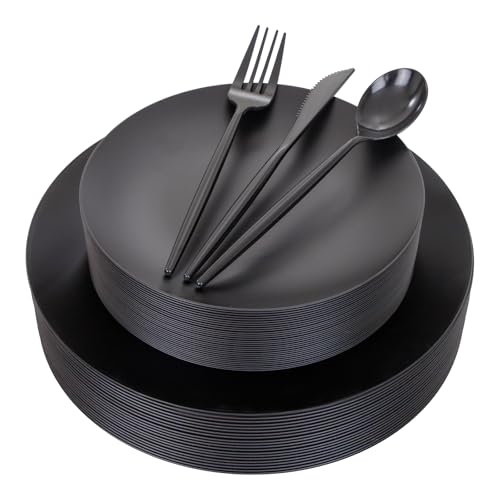
Modern Frosted Design: Featuring a textured matte finish, these black plates offer contemporary sophistication. Crafted from food-grade material, these plastic plates stack easily and blend with sleek black dinner plates for galas.

Versatile Sizes Disposable White Plates: This combo pack includes 30 large 10.25"dinner plates and 30 smaller 7.5"salad plates, perfect for serving main courses, appetizers, salads, and desserts.
Build Your Menu Around Seasonal, Local Ingredients
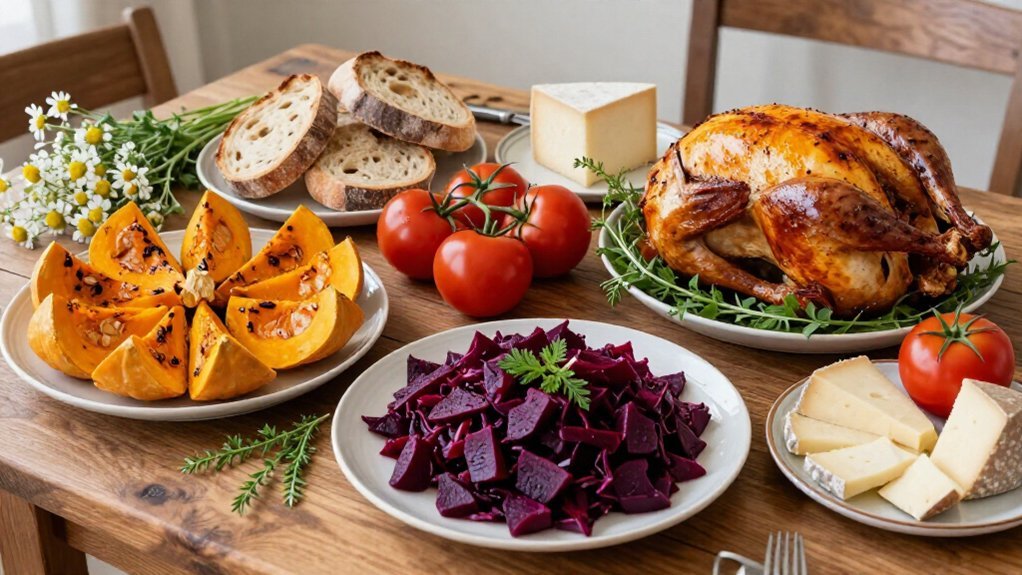
Why settle for bland, out-of-season tomatoes when you could serve your guests juicy peaches at their summer peak? Choosing seasonal produce and local sourcing makes your menu planning go from ordinary to unforgettable. You’ll taste the difference immediately: peak produce carries vibrant flavors that shipped-in alternatives simply can’t match.
Start by asking your caterer what’s fresh right now. In spring, you might feature tender asparagus and peas. Summer calls for berries and heirloom tomatoes. Fall brings apples and squash, while winter offers hearty root vegetables. Seasonal ingredients often cost less too, since you’re buying when supply is abundant.
Your choices shape the whole meal’s story. Light, bright dishes suit warm months. Richer, warming fare feels right when temperatures drop. Local sourcing also links your celebration to the community and land around you. Let fresh flavors guide each decision.
Recommended Products
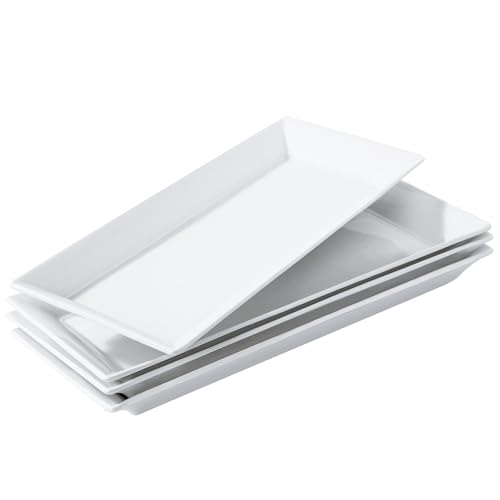
Large Capacity Dessert Platters: White serving platters measures is 31.5x15.5x2cm/12.5x6x0.7inch, good for displaying a variety of food, snack, turkey, side dishes, dessert, appetizers, sandwiches, Sushi, fruits, Meat. Perfect for gatherings, family dinners, birthday celebrations, holiday feasts, outdoor picnic or simple everyday use

Every Family Needs A Set of 3-sized Large Serving Platters -- Large:15.8x8.8 inch, Medium:14x7.8 inch, Small:11.8x6.8 inch. With 3 sizes, these oval platters meet all your different need, ideal for serving food, snacks, sushi, fruits, fish, appetizers, sandwiches and chips/salad, dessert.
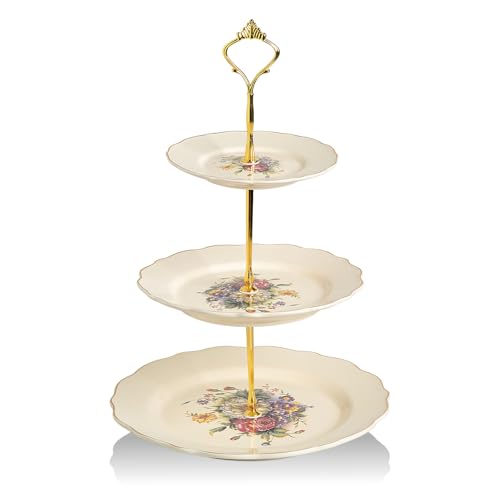
Gorgeous 3 Tier Stands: This tiered serving dish comes in pumpkin shaped style design with exquisite colored glaze. Durable porcelain platters with glittering gold trim and exquisitely shiny metal rack.
Design Interactive Food Stations Guests Actually Use
You want your guests talking and moving, not stuck in corners staring at their phones. Live cooking stations and DIY food bars pull people together, giving everyone a chance to customize their plate while they mingle.
When you pair a chef flipping fresh pasta with a build-your-own taco spread, you build energy that carries through the whole reception.
Recommended Products

[Elegant Aesthetic for Formal Events]Upgrade your table setting with our crystal clear square dessert plates. Paired with premium gold plastic forks, this set adds a sophisticated touch to weddings, bridal showers, and upscale cocktail parties, outshining standard round paper plates.

Mini Forks: Our tiny silver plastic forks accent any dish with ease. Our mini forks for appetizers are also the perfect addition to dessert cups, food samples, catered dishes, and more!

Mini Forks: Our tiny utensils accent any dish with ease. They're the perfect addition to dessert cups, food samples, catered appetizers, and more!
Live Cooking Stations
Want your guests to actually remember the food at your wedding? Live cooking stations turn your reception into an experience they’ll talk about for years. You’ll watch chef attendants work their magic through on-site cooking demonstrations right before your eyes.
These stations deliver serious engagement and entertainment. Your guests become part of the action, selecting customizations that match their tastes perfectly.
Consider these crowd-pleasing concepts:
- Pasta stations with made-to-order sauces and fresh toppings
- Wok stations sizzling with vibrant vegetables and proteins
- Pizza or crostini stations baked fresh with personalized combinations
You’ll need extra space, equipment, and staff to keep things running smoothly. Don’t forget clearly labeled dietary options, including vegetarian and gluten-free choices, so everyone feels welcome at your flavorful show.
DIY Food Bars
How do you get guests mingling, laughing, and actually enjoying their meal? You set up DIY food bars that turn dinner into an experience.
Interactive stations invite guests to build their own plates. Try a crostini bar with ricotta, honey, and pesto, or a loaded baked potato station where friends pile on personalized toppings. A taco bar, pasta station, or poke bowl setup lets everyone customize dishes while chatting with chefs.
For casual vibes, add a popcorn bar or s’mores station. Upgrade your grazing setup with crab cake bites, lobster rolls, or steak frites as DIY-style components.
Plan ahead: label everything clearly, and ensure each station offers dietary-friendly options. Smart wedding catering means no guest feels left out. You create connection, one custom plate at a time.
Handle Allergies and Special Diets Without the Stress
Whether your best friend is gluten-free or your cousin has a severe nut allergy, managing special diets at your wedding doesn’t have to feel overwhelming. You can keep everyone safe and satisfied with smart planning.
First, collect dietary restrictions through your RSVP or wedding website. This helps you spot vegan, gluten-free, and nut-free needs early.
Next, work with your caterer on these key steps:
- Create allergen-safe options like dairy-free sauces and gluten-free bread so no one feels left out.
- Set up labeled stations so guests know exactly what’s in each dish.
- Plan vegan entrées and substitutions for allergies, such as shellfish-free stations, with your caterer.
Finally, prevent cross-contamination by asking your kitchen and serving staff to use separate utensils and prep areas. Clear communication keeps your guests healthy and happy.
Recommended Products


Turn Family Recipes and Favorites Into Menu Features
Now that you’ve got dietary restrictions under control, let’s make your menu truly yours. You can turn heritage recipes and family favorites into standout menu features that tell your story.
Work with your caterer to adapt cultural dishes for your guest count and service style. A beloved grandmother’s pasta might become a family-style centerpiece. Or you could create an interactive crostini station featuring a signature sauce.
Label your menu in ways that help guests understand what they’re tasting and why it matters. You’ll want to note ingredients clearly, especially for those with allergies.
Balance tradition with your budget by choosing one or two meaningful dishes rather than overextending. Ask your caterer about local vendors who can source authentic ingredients without breaking the bank.
Your wedding reception food should feel like home, even in a beautiful venue.
Recommended Products

GREAT VALUE: Ample 6-Tray pack ensures convenience, perfect for gatherings or daily use. Never run out of food trays for party buffet, stay prepared to serve with ease. Enjoy flexibility and style with this convenient supply.

Ideal Capacity for Everyday Entertaining: Set of 4 serving platters (13.5" × 9.5" top, 12.2" × 8.3" base) feature 1.3" raised edges to keep food in place. Ideal for serving warm dishes (below 70°C), desserts, cookies, snacks, fruits, appetizers, veggies, charcuterie boards, burgers, BBQ items, or a relatively small party spread. Plus, Larger sizes and more quantities are offered if you need more serving space

SOLVE YOUR SERVING PROBLEMS WITH OUR SET OF 5 PLASTIC BOWLS: Tired of flimsy disposable serving bowls that break and disappoint? Say goodbye to the hassle with our set of 5 sturdy, premium plastic serving bowls. Our party serving bowls offer a great solution for hosts needing reliable, stylish serving ware that won’t disappoint them. Impress your guests with high-quality serving party bowls that look great and perform even better.
Schedule Service, Toasts, and Late-Night Snacks
You’ll want to map out your reception timeline so guests never go hungry or restless. Start with a 60 to 90 minute cocktail hour featuring 4 to 6 varied bites, then schedule your late-night snack window after the dancing kicks into high gear. Smart timing keeps energy high and lets you surprise everyone with comfort food favorites when they need them most.
Recommended Products

Healthy & Durable: Our plastic plates are made for the health and safety of our customers are considered! The white plastic plates are made of 100% food-grade plastic, non-toxic, harmless, and BPA-free. This material is sturdy and can be a consideration for your long time use.
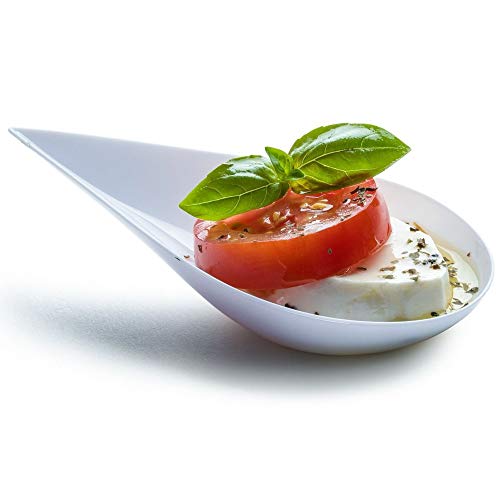
GET INSPIRED with our EXCLUSIVE Mini Cups Recipe Ebook included with every purchase.

GET INSPIRED with our EXCLUSIVE Mini Cups Recipe Ebook included with every purchase!
Service Timing Coordination
Timing your reception food isn’t just about keeping plates full, it’s about keeping energy high and guests engaged from the first hello to the last dance.
When you plan your cocktail-hour timing, you’ll want to buffer 60–90 minutes for guests to mingle while sampling hot and cold bites. Appetizer stations keep guest flow smooth and prevent bottlenecks. Build in dietary accommodations from the start, slip vegetarian and gluten-free options right alongside your main offerings.
Map your service moments to venue constraints and staff availability. This ensures your late-night bites happen without a hitch.
Here’s how to nail it:
- Coordinate arrival snacks with appetizers during cocktail hour
- Schedule interactive stations between courses to maintain momentum
- Align final service with vendor capabilities and space limits
Late-Night Bites
How do you keep the party alive when everyone’s energy starts to dip? You bring out late-night bites that re-energize your guests after hours of dancing.
Smart timing coordination keeps the momentum going. You’ll want to schedule these post-dance snacks after your main courses, so there’s a smooth transition from the dance floor to after-hours grazing.
Your best bets are comfort foods that feel indulgent but are easy to eat. Think mini sliders, truffle mac and cheese cups, and chicken and waffles bites. Mix in portable bites like mini tacos and flatbread pizzas, too. These let guests grab, mingle, and keep moving.
Remember to plan portions and staff carefully. You don’t want gaps during peak dancing hours. With the right setup, you’ll keep everyone fueled and the celebration strong until the very end.